
Chopta Tungnath Bike Trip Guide 2026: Route, Best Time & Tips to Ride to the World’s Highest Shiva Temple

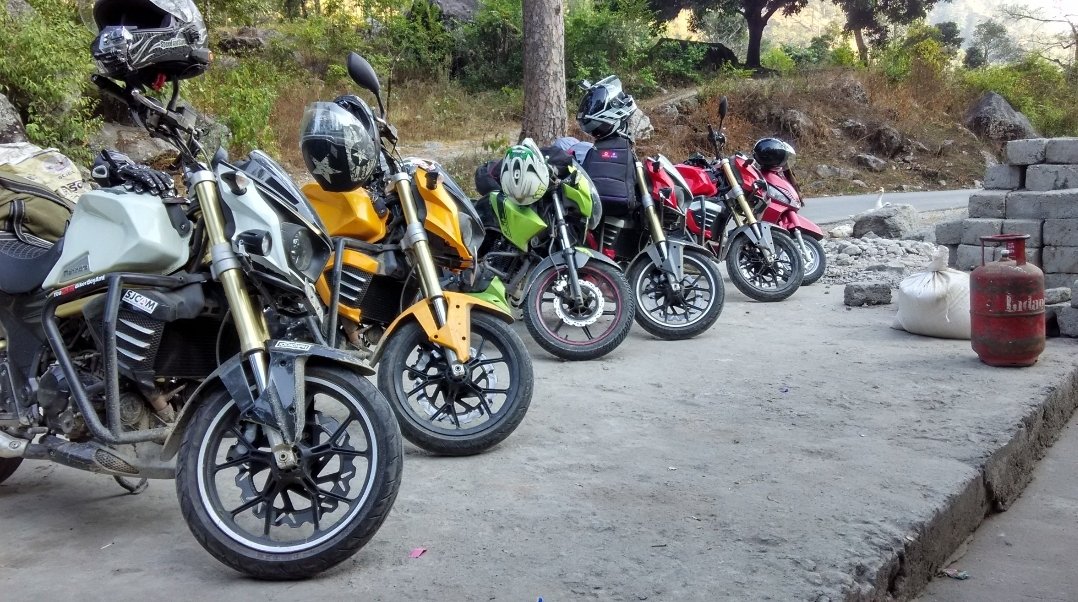
Chopta Tungnath Bike Trip Guide 2026: Route, Best Time & Tips to Ride to the World’s Highest Shiva Temple
Every serious biker’s India list has the usual suspects — Leh Ladakh, Spiti, maybe a Rann of Kutch run for the salt flats. Chopta rarely gets top billing, and that’s exactly why it should be next. Tucked into the Garhwal Himalayas, Chopta is a short, punchy ride that ends at the base of Tungnath, the highest Shiva temple in the world, with the Chandrashila summit trek waiting just above it. No 15-day leave application, no altitude sickness gamble at 17,000 feet, and still every bit of the Himalayan payoff.
This guide covers the route, the best months to go, what the ride actually feels like, and the small things that trip up first-timers — permits, fuel stops, and where the road turns to gravel.
Why Chopta-Tungnath Belongs on Every Biker’s List
Chopta sits at roughly 2,900 meters, ringed by oak and rhododendron forest, with the Chaukhamba peaks visible on a clear day. It’s often called “Mini Switzerland” by the tourism brochures, which undersells it — this is working Himalaya, not a postcard set. From Chopta, a 3.5-km trek gets you to Tungnath temple, one of the Panch Kedar shrines, and from there another steep 1.5 km takes you to Chandrashila summit for a 360-degree view of Nanda Devi, Trisul, and the Kedarnath range.
What makes it a biker’s trip and not just a family holiday is the road in. You’re riding through Rishikesh, Devprayag, and Rudraprayag — river-hugging roads, temple towns, and enough elevation change to keep the ride interesting without needing a support vehicle.
The Route: Delhi to Chopta
The standard run is Delhi → Haridwar → Rishikesh → Devprayag → Srinagar (Uttarakhand) → Rudraprayag → Ukhimath → Chopta, roughly 430–440 km one way. Most riders split it into two days:
- Day 1: Delhi to Rudraprayag (~330 km) — mostly highway till Rishikesh, then the Char Dham road hugging the Alaknanda and Mandakini rivers. Roads are well-paved but narrow and full of switchbacks past Devprayag.
- Day 2: Rudraprayag to Chopta (~65 km) — short on distance, long on climbing. This stretch through Ukhimath is where the ride actually earns its reputation, with blind curves and a steady gain in altitude.
If you’re starting from Rishikesh or Haridwar instead of Delhi, you can comfortably do the whole thing in a single long day. Fuel up in Rudraprayag or Ukhimath — options thin out fast once you’re past there.
Best Time to Ride to Chopta
Skip the monsoon. July and August bring landslides and slick roads on this exact stretch, since it’s also the route to Kedarnath and Badrinath — both pilgrimage corridors that get hit hard by rain-season closures. The two windows that actually work:
- March to June — rhododendrons in bloom, warm days, cold nights. Best for riders who also want to trek to Chandrashila without snow gear.
- September to December — clearest Himalayan views, crisp air, thinner crowds. Late-season rides (November onward) can bring snow near Tungnath, so check road conditions before you leave.
Given it’s monsoon right now, this is the trip to start planning for September — book your gear and route, not the ride itself, just yet.
The Trek: Tungnath and Chandrashila
Park the bike in Chopta and switch to boots. Tungnath is a well-marked 3.5-km paved trail, doable in 2–3 hours round trip at an easy pace. It’s the highest of the Panch Kedar temples, dedicated to Lord Shiva, and stays open roughly May to November before winter snow shuts it down.
Keep going another 1.5 km past the temple and you hit Chandrashila summit at around 4,000 meters — steeper, rockier, but manageable without technical gear. Sunrise from the top, with the Kedarnath and Nanda Devi ranges lit up, is the reason people put this detour on their itinerary in the first place.
Riding Gear and Prep Tips
This isn’t a Ladakh-level expedition, but the mountain rules still apply. A few things worth sorting before you leave:
- Bike choice: Anything with decent ground clearance handles this fine — Royal Enfield Himalayan, Classic 350, or a Pulsar/Dominar class bike. You don’t need an adventure-touring monster for this route.
- Layers: Even in June, Chopta nights drop close to single digits Celsius. Pack a proper riding jacket liner, not just a hoodie under your gear.
- Fuel planning: Top off in Rudraprayag or Ukhimath. Don’t count on finding a pump past that point.
- Grip and visibility: The final stretch to Chopta has patchy tarmac and fog rolls in fast in the evenings — ride the last hour in daylight if you can.
Once you’re geared up and the bike’s loaded, the small stuff — a helmet sticker, a tank badge — ends up mattering more than it should. If you’re building out your setup, the Uttarakhand Sticker Set – Rishikesh & Almora Collection is a solid pre-trip pickup, since Rishikesh is your first real checkpoint on the way in.
Where to Stay and Eat in Chopta
Chopta itself is tiny — a cluster of guesthouses, homestays, and a few Garhwal Mandal Vikas Nigam (GMVN) huts along the main stretch. Book ahead in peak season (October–November weekends fill up fast). Ukhimath, 30 minutes back down the road, has more established hotel options if Chopta is booked out. Food is simple hill fare — rajma-chawal, aloo paratha, and hot ginger tea at every second stall, which is exactly what you want after a cold ride.
Permits and Road Conditions
No special permits are needed for Chopta itself — unlike Ladakh’s Inner Line Permits, this route is fully open to Indian riders without paperwork. The road is in decent shape from Rishikesh to Rudraprayag; expect construction patches and narrower single-lane sections between Ukhimath and Chopta, especially after rain. Check local Uttarakhand road advisories a day or two before you leave, since landslide clearing can cause short closures even outside monsoon.
Carry the Memory Home
The ride ends, but the stickers on your tank and helmet don’t. If Chopta is a warm-up before you take on Rishikesh, Nainital, and the rest of the Kumaon-Garhwal circuit, the Rishikesh, Nainital & Almora Pack covers the wider region in one go. And if Chopta’s just the appetizer before Ladakh next season, the Ladakhi Adventure Patch is worth grabbing now so it’s ready to go on your jacket when you are.
FAQs
1. How many days do I need for a Chopta Tungnath bike trip?
Three days is comfortable from Delhi — one day to reach Rudraprayag, a second to ride into Chopta and trek to Tungnath, and a third to ride back. Riders starting from Rishikesh or Haridwar can often do it in two.
2. Is the Chopta to Tungnath trek difficult?
No — it’s a paved, well-marked 3.5-km trail rated easy to moderate. Chandrashila summit beyond it is steeper and rockier but still doable without technical trekking gear for most fit riders.
3. Do I need an Inner Line Permit for Chopta?
No. Unlike Ladakh or parts of Sikkim, Chopta and Tungnath don’t require any special permits for Indian travelers. Just carry a valid ID and your vehicle documents.
4. What’s the best time to avoid crowds and bad weather?
Late September through November gives you clear Himalayan views with thinner crowds than the March–June season. Avoid July–August entirely — monsoon rains bring landslide risk on this exact stretch.
Final Word
Chopta doesn’t need three weeks of leave or a support crew to pull off — just two solid riding days, a decent set of layers, and a willingness to trade the highway for switchbacks. It’s the kind of trip that fits into a long weekend but still hands you a sunrise from 4,000 meters and a temple that’s been standing since before anyone was counting. Plan it for September, pack light, and let the road to Rudraprayag do the rest.