
Kashmir Road Trip Guide 2026: Srinagar to Gulmarg, Pahalgam & Sonamarg Circuit

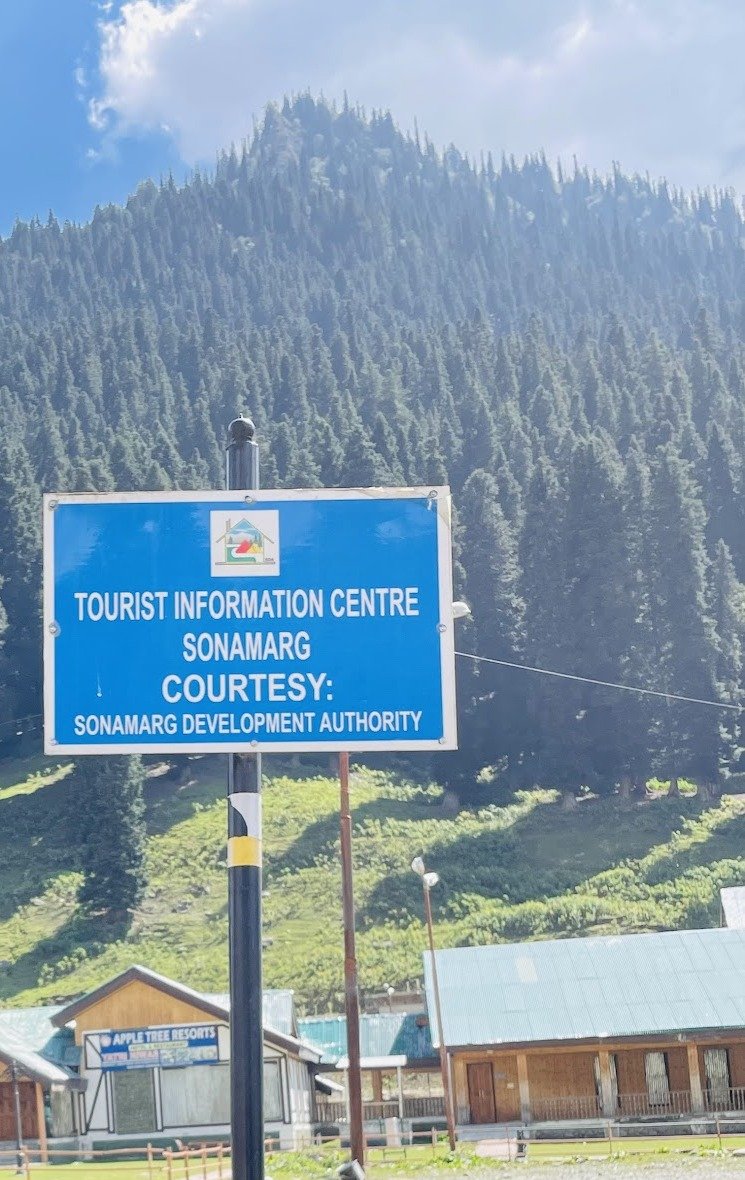
Every serious road tripper has a Kashmir-shaped gap in their travel log. It’s the one place where a meadow, a glacier, and a lake all feel like they belong in the same afternoon. Unlike a Ladakh or Spiti run, you don’t need a permit stamped in triplicate or three days to acclimatize — you just need a full tank, a working playlist, and about five days to spare. This guide lays out the exact Srinagar–Gulmarg–Pahalgam–Sonamarg circuit, when to go, what it costs in time and fuel, and how to actually enjoy the drive instead of just surviving it.
Why Kashmir Belongs on Every Road Tripper’s List
Most Himalayan road trips demand altitude sickness precautions, inner-line permits, and multi-day buffers for weather. Kashmir is the rare exception — a full alpine circuit that’s accessible in a long weekend-plus, doesn’t require special permits for Indian citizens, and rotates through three completely different landscapes: Gulmarg’s ski-slope meadows, Pahalgam’s pine-lined river valley, and Sonamarg’s glacier views. You get the visual payoff of a high-altitude trip without the logistics headache of Leh or Kaza.
It also rewards riders and drivers differently than Ladakh does. Where Ladakh is about endurance — long, empty, high-altitude stretches — the Kashmir valley circuit is about variety. Each leg out of Srinagar is a self-contained day trip, so you can base yourself in the city and fan out, or keep moving and stay a night in each town.
The Route at a Glance: Srinagar – Gulmarg – Pahalgam – Sonamarg
The circuit runs as three spokes off Srinagar, all on well-maintained roads:
- Srinagar to Gulmarg: ~50 km, roughly 1.5–2 hours. Climbs steadily through pine forest into the meadow bowl that hosts India’s highest gondola.
- Srinagar to Pahalgam: ~90 km, about 2.5–3 hours. Runs through Anantnag and Lidder Valley, past saffron fields in season, ending at the confluence of the Lidder river.
- Srinagar to Sonamarg: ~80 km, about 2–2.5 hours. Follows the Sindh river upstream toward the Thajiwas glacier, with the newer Z-Morh tunnel keeping the stretch open through more of the year than before.
If you’re extending toward Ladakh afterward, Sonamarg is also the last major stop before Zoji La — worth knowing even if that’s a separate trip on a separate day.
Day-by-Day Itinerary (4–5 Days)
Day 1 — Arrive Srinagar. Settle in, ideally in a houseboat on Dal Lake. Evening shikara ride, walk through the Mughal gardens (Nishat and Shalimar) if you arrive early enough.
Day 2 — Srinagar to Gulmarg and back. Early start beats the tour-bus crowd at the gondola. Phase 1 gets you to Kongdoori; Phase 2 (weather permitting) climbs to Apharwat Peak for snow even outside winter. Return to Srinagar by evening.
Day 3 — Srinagar to Pahalgam, overnight. Stop at Betaab Valley and Aru Valley on the way in — both are short detours off the main Pahalgam road and worth the extra hour. Stay the night in Pahalgam for a cooler, quieter evening by the river.
Day 4 — Pahalgam to Sonamarg via Srinagar. Backtrack through Srinagar (or take the ring road if you want to skip the city) and continue to Sonamarg. Walk or pony-ride up toward Thajiwas Glacier if the trail is open.
Day 5 — Sonamarg back to Srinagar, departure. A relaxed final morning and drive back for your onward journey.
This can be compressed into 4 days by treating Gulmarg as a day trip and combining Pahalgam/Sonamarg into a tighter loop, but 5 days lets you actually stop for photos instead of racing the sunset.
Best Time to Visit Kashmir for a Road Trip
- April to June: Peak bloom — meadows are green, weather is mild, and all three routes are fully open. This is the best window for a first-time circuit.
- September to October: Second-best window. Cooler air, thinner crowds, and the valley starts turning gold.
- July to August: Monsoon season. Roads stay open but expect cloud cover and occasional landslide-related delays, especially toward Pahalgam.
- December to February: Gulmarg turns into a proper ski destination and Sonamarg gets serious snow, but Pahalgam access can be patchy and you’ll need winter tires or chains. Only recommended if snow sports are the actual goal.
Getting Ready: Permits, Fuel, and Road Conditions
Indian citizens don’t need an inner-line permit for the Kashmir valley circuit — that requirement only kicks in once you’re heading toward Ladakh proper. What you do need is a full tank before leaving Srinagar; fuel stations thin out fast once you’re past Tangmarg or Anantnag. Postpaid SIMs work more reliably than prepaid once you’re outside city limits, and it’s worth downloading offline maps as backup since coverage gets patchy in the valleys.
Roads on all three spokes are tarred and in decent shape, but afternoon fog and light rain are common from July onward, so mornings are the better driving window regardless of season.
What to Pack for the Kashmir Valley Circuit
Layers matter more than gear here. Even in peak summer, Gulmarg and Sonamarg sit cold enough at altitude for a windproof jacket to earn its space in the bag. A good pair of walking shoes covers the short glacier and valley treks, and if you’re riding rather than driving, gloves and a buff make the Sonamarg climb noticeably more comfortable.
And this is where the trip earns its keep as a story worth keeping: a set of Gulmarg, Pahalgam & Sonamarg stickers turns a helmet, laptop lid, or water bottle into a running log of exactly this route — one sticker per stop, applied the evening you got there.
Bringing the Trip Home: Marking the Miles
If you’re doing the Srinagar-anchored version and want the full spread including the city itself, the Gulmarg, Srinagar & Sonamarg pack covers the base and both spokes in one set. For riders doing a tighter two-stop version — just the meadow and the valley — the Pahalgam & Gulmarg pack is the leaner option. Either way, it’s a small, waterproof way of making the trip permanent after the tan lines fade.
FAQ
Q1: Do I need a permit to visit Gulmarg, Pahalgam, and Sonamarg?
No. Indian citizens don’t need an inner-line permit for the Kashmir valley circuit. Permits only become necessary if you continue past Sonamarg toward Ladakh via Zoji La.
Q2: How many days do I need for the full Srinagar-Gulmarg-Pahalgam-Sonamarg circuit?
Budget 4–5 days for a comfortable pace with real stops at Betaab Valley, Aru Valley, and Thajiwas Glacier. It’s possible to compress it into 3 days if Gulmarg and Sonamarg are treated as single day trips from Srinagar, but you’ll be trading photo stops for drive time.
Q3: Is it better to ride a bike or drive a car through Kashmir?
Both work well — the roads on all three spokes are tarred and in good condition. Bikers get more flexibility for quick stops at viewpoints; drivers get more comfort on the longer Pahalgam and Sonamarg legs. Neither route has the technical difficulty of a high pass like Zoji La or Rohtang.
Q4: What’s the best time of year to do this trip?
April to June for peak bloom and the easiest road conditions, or September to October for cooler weather and thinner crowds. Avoid December to February unless snow sports are specifically the goal, since Pahalgam access gets inconsistent.
Final Word
Kashmir doesn’t ask for the same commitment as Ladakh or Spiti, and that’s exactly what makes it worth doing first — or doing again. Three distinct landscapes, a handful of well-marked roads out of Srinagar, and none of the permit paperwork. Plan around April–June or September–October, give yourself five unhurried days, and let the meadow-glacier-valley rotation do the rest. Stick a sticker on something before you leave each town — future you will be glad you did.