India to Nepal Bike Trip Guide 2026: Kathmandu to Mustang

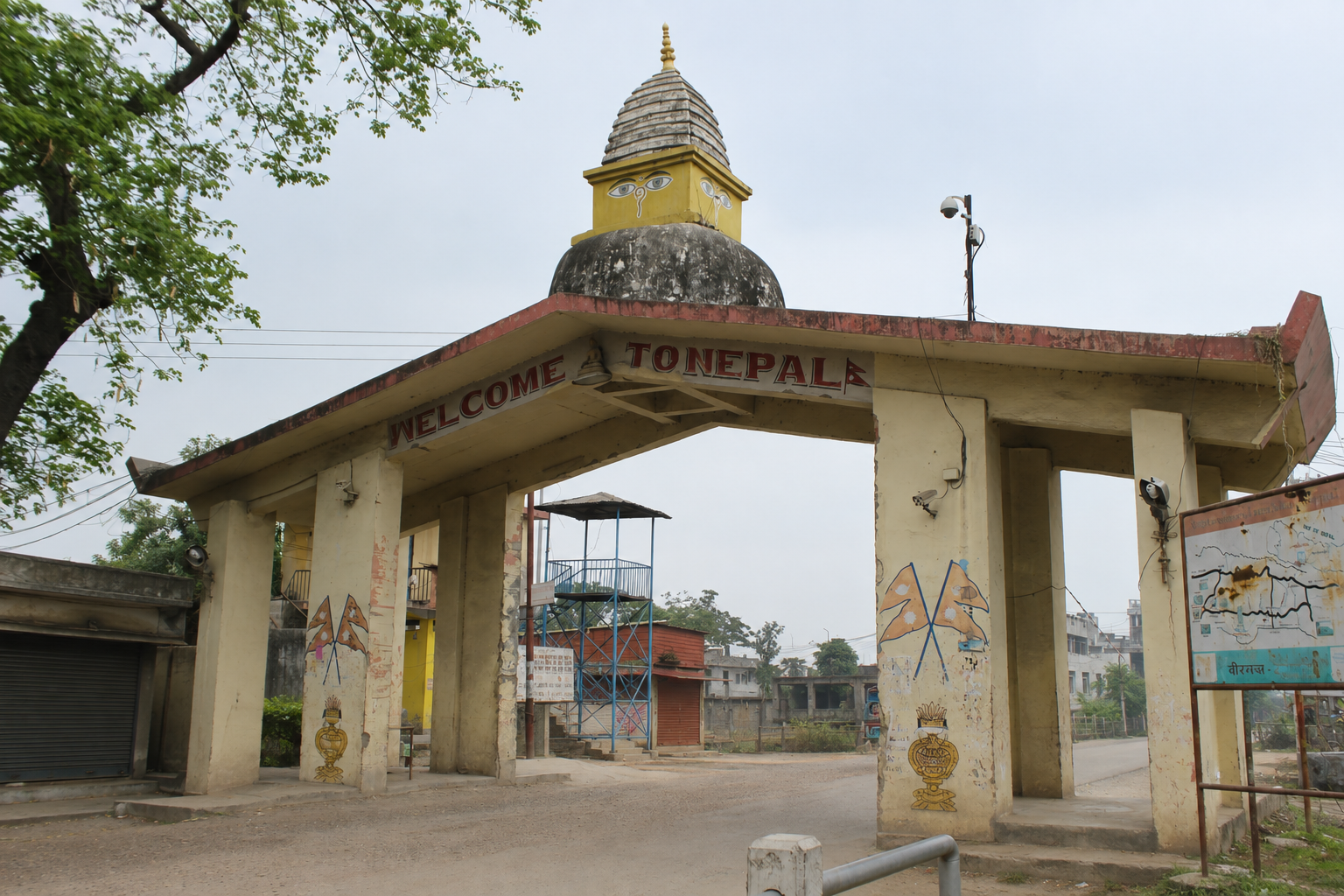
Most Indian bikers stop at the border. Ladakh, Spiti, Kinnaur, Kashmir – all technically domestic, all reachable without a passport. Nepal is the one ride through the Himalayas that actually takes you out of the country, and it’s far more doable than most riders assume: no visa required for Indian nationals, no flight, just your bike, its papers, and a border crossing at Sonauli or Raxaul. It’s less a package holiday and more a proper road trip across two countries.
Here’s the full 2026 route guide – what documents you need, the ride from the border to Kathmandu and Pokhara, and how to push further into Mustang if you’ve got the days and the nerve for it.
Why Ride Into Nepal
It’s the rare trip that combines everything Indian riders already love about the Himalayas – switchbacks, high passes, roadside dhabas – with a genuinely different country on the other side. Temple architecture changes, the food changes, and Kathmandu’s old town has a density of history that no Himachal hill town matches. And unlike Ladakh or Spiti, you don’t need inner line permits or altitude planning to get started – just get your bike’s paperwork in order and ride.
Crossing the Border: Documents and Permits
Indian-registered bikes can cross into Nepal at land border points like Sonauli (near Gorakhpur) or Raxaul (near Patna) and stay in the country for up to 60 days on Indian plates. You’ll need the bike’s original registration certificate, valid insurance, and pollution certificate, plus a temporary vehicle permit issued at the border or nearest transport office – carry photocopies of everything, since border offices can be slow and paperwork-heavy. Indian nationals don’t need a visa for Nepal, just a valid ID (passport or voter ID) for the immigration formalities.
If you’re planning to ride into Upper Mustang or other restricted zones later in the trip, note that those need separate permits (more on that below) – the border crossing itself only covers entry into Nepal.
Best Time to Ride to Nepal
Autumn (September to November) is the sweet spot – clear skies, stable mountain roads, and the Kathmandu Valley at its greenest right after monsoon. Spring (March to May) is the second-best window, with warmer temperatures and blooming rhododendrons on the hill routes. Monsoon (June to August) brings landslide risk on the hill highways, and winter (December to February) gets bitterly cold once you’re past Pokhara toward Mustang, with some high-altitude stretches closing entirely.
The Route: Border to Kathmandu
From Sonauli, it’s roughly 280 km to Kathmandu, climbing steadily through the Nepal hills before dropping into the valley. Budget a full riding day, more if you’re breaking the trip at Bhairahawa or Mugling. Kathmandu itself is a city best explored on foot once you arrive – Durbar Square, Swayambhunath, and Boudhanath are all within a short ride of most guesthouses, and it’s worth spending a rest day here before continuing. A Nepal & Kathmandu sticker pack is the obvious souvenir once you’ve actually ridden in rather than flown.
Kathmandu to Pokhara
The 200 km ride from Kathmandu to Pokhara runs along the Prithvi Highway, crossing a bridge at Mugling before climbing again toward the lake city. It’s one of the more scenic stretches of the whole trip – terraced hillsides, the Trishuli river running alongside the road for long sections, and your first real views of the Annapurna range as you approach Pokhara. Pokhara itself, sitting on Phewa Lake with Machapuchare and the Annapurna massif behind it, is the natural base for anyone continuing toward Mustang or just wanting a couple of easy days before heading back. Grab the Pokhara & Mount Everest pack or the combined Kathmandu, Pokhara & Everest set to mark both legs of the ride.
Extending to Mustang
If you’ve got the days, Mustang is where the trip turns into something most riders never attempt. The route runs from Pokhara through the Kali Gandaki valley – one of the deepest gorges in the world – through Jomsom and Kagbeni, up to Muktinath, and on into the high desert of Upper Mustang toward Lo Manthang, the walled former royal capital. This isn’t a casual add-on: Upper Mustang requires a Restricted Area Permit (roughly USD 50 per day) on top of the Annapurna Conservation Area Permit (ACAP), both arranged through registered trekking agencies in Pokhara or Kathmandu before you ride in. The terrain shifts from green hills to bare, wind-scoured desert almost overnight, and it’s unlike anywhere else on the subcontinent. The Mustang sticker pack is built for exactly this stretch.
Riding Tips
Roads in the hills are narrower and less consistently maintained than Indian national highways, so keep speeds conservative and expect the occasional unpaved stretch, especially past Pokhara. Fuel up whenever you see a pump in the hills – stations thin out fast once you’re off the Prithvi Highway. Carry cash in Nepali rupees for permits, fuel, and guesthouses in smaller towns where cards aren’t accepted. And keep every document – registration, insurance, permits – on you at all times; checkpoints are common on the approach to restricted areas like Mustang.
Sample 10-Day Nepal Bike Trip Itinerary
- Day 1-2: Delhi/Gorakhpur to Sonauli border, cross into Nepal, ride to Kathmandu
- Day 3: Kathmandu sightseeing and rest
- Day 4: Kathmandu to Pokhara via Mugling
- Day 5: Pokhara rest day, arrange Mustang permits
- Day 6: Pokhara to Jomsom via Kali Gandaki valley
- Day 7: Jomsom to Lo Manthang (Upper Mustang)
- Day 8: Explore Lo Manthang, begin return to Jomsom
- Day 9: Jomsom to Pokhara
- Day 10: Pokhara to Kathmandu, or begin the ride back to the border
FAQs About Riding to Nepal from India
Do Indian bikers need a visa to enter Nepal?
No. Indian nationals can enter Nepal without a visa, using a passport or voter ID at the border. You will still need your bike’s registration, insurance, and a temporary vehicle permit issued at the crossing.
How long can an Indian-registered bike stay in Nepal?
Indian-plated vehicles are generally permitted to stay in Nepal for up to 60 days on the temporary permit issued at the border. Confirm current rules at the specific crossing point before you ride in, as procedures can change.
Do I need a special permit for Upper Mustang?
Yes. Upper Mustang is a restricted area requiring a Restricted Area Permit (around USD 50 per day) plus the Annapurna Conservation Area Permit (ACAP). Both need to be arranged through a registered agency in Pokhara or Kathmandu before you head out – they aren’t available at the Mustang checkpoints themselves.
Is the Kathmandu-Pokhara-Mustang route safe for a first international bike trip?
Kathmandu to Pokhara is a well-traveled, manageable highway ride. Mustang is a different level – narrower roads, high altitude, and restricted-area logistics – and is better suited to riders who’ve already done at least one high-Himalayan trip like Ladakh or Spiti. If Mustang feels like too much on a first Nepal trip, Kathmandu and Pokhara alone still make for a complete, rewarding ride.
Final Word
A Nepal bike trip gives you something no Indian Himalayan route can: an actual border crossing, a different country’s roads and towns, and – if you push on to Mustang – some of the starkest, most remote riding anywhere in the Himalayas. Get the paperwork sorted before you leave, respect the permit requirements for the restricted zones, and bring back more than photos. At Stick The Vibe, our Nepal Series pack covers Everest, Annapurna, Pokhara and Mustang in one set – made for riders who actually did the whole route, and for anyone planning their next Himalayas road trip.